The alternatives to classsic antibiotics include using traditional methods, exploiting natural resources and the use of bacteriophages.
Honey, plant and invertebrate extracts:

Honey is known for its antimicrobial properties – these include low pH, hydrogen peroxide production (in some honeys), high osmolarity, flavonoids and likely undiscovered antimicrobial compounds. The ‘quality’ of the honey varies with what it is grown on – so the plants make a difference. Honey can used as a wound dressing (topical application), but other applications are trickier due to dilution. Plant extracts have been used in traditional medicine for millennia and have largely been forgotten in the west as some believe antibiotics provided a ‘better’ treatment. Research on antimicrobial phytochemicals is dominated by articles coming from China, the Indian subcontinent and Saudi Arabia. Thousands of compounds have been listed as possessing antimicrobial properties.
However, cost-effective methods of extraction and purification of phytochemicals is a major concern as well as safety and translatability. In addition, a big part of plant and invertebrate resistance are their innate immunity and antimicrobial peptides. Invertebrates and plants have innate immunity pathogen-associated molecular pattern (PAMP)-recognising proteins and respond to infection by synthesis of antimicrobial peptides (AMPs). Overall, about 1200 structures have been described in animals, microbes and plants. The peptides are often short and have no conserved sequence.
Teixobactin:

Teixobactin is an oligopeptide antibiotic produced by a Gram-negative bacterium, Eleftheria terrae. Teixobactin is bacteriocidal, has a stable and potent activity against S. aureus and at least over a short-term experiment, shows no induction of resistance in vitro. Teixobactin attacks both peptidoglycan as well as teichioinic acid production. By attacking two pathways, resistance is much harder to achieve.
Despite the advantages, the problem with this approach is that screening tens of thousands of possibilities is expensive, and people have tried it before – in fact more antibiotics are known than are used. Other options do not work well enough or toxic or both.
Bacteriophages:
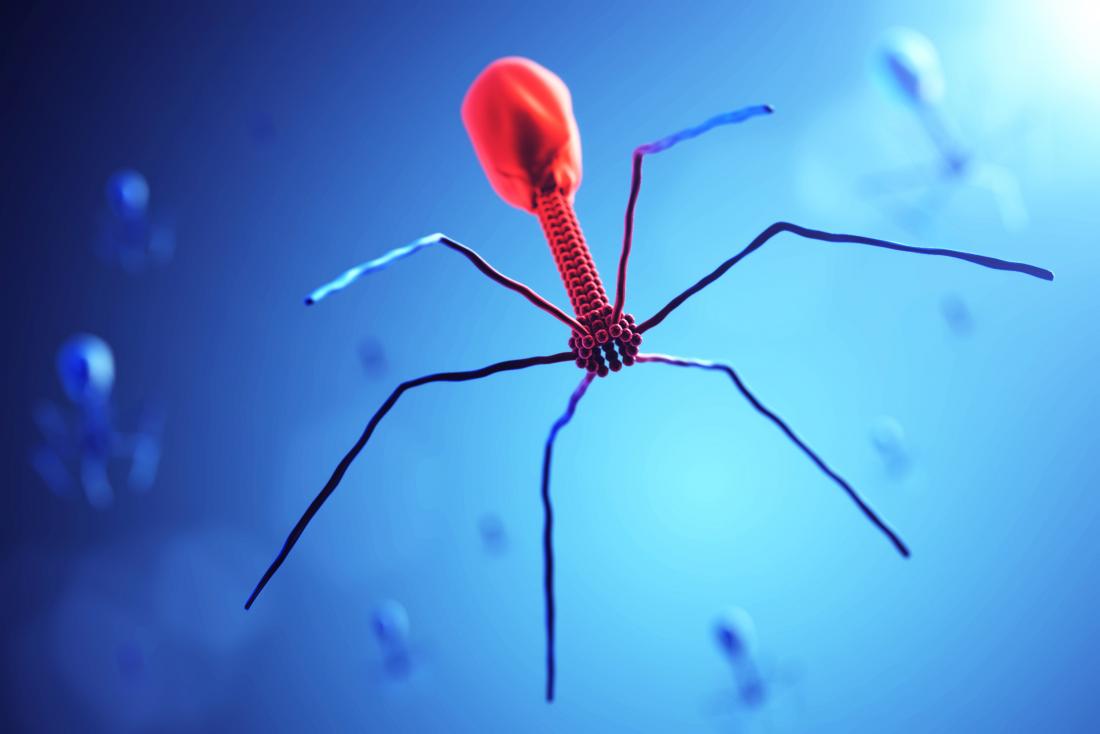
Bacteriophages are viruses that infect bacteria. There are 10 times more bacteriophages than there are bacteria. Bacteriophages infect and lyse the bacterial cell like most other viruses.
Advantages and Disadvantages:
They have many advantages over antibiotics including:
o Lower emergence of resistance if ‘cocktails’ are used.
o High host specificity, sometimes to species or even strain level.
o Limiting pleiotropic effects on gut microflora and other negative effect on the human host – Bacteriophage can have a lytic and a lysogenic cycle, making temperature (fever)-induced lysis of the bacterial pathogen possible.
o Advances in sequencing have led to massive discoveries.
There are disadvantages:
o Not all phages lyse their host
o High host specificity renders the phages useless against unknown pathogens
o There are, for example, 2,500 Salmonella enterica serovars, only few of which have known lytic phages.
o Bacteriophage can temporarily integrate into the host genome prior to lysis leading the possibility of horizontal gene transfer.
o Phages are foreign particle leading to antibody production.
o Not yet licenced for systemic therapy in humans.
 Pharma and Biotech Advances