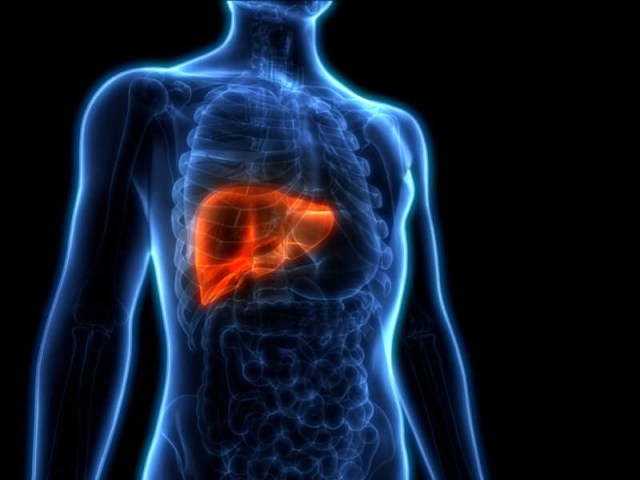
The liver is the largest organ in the body. It has many functions such as the role of metabolising carbohydrates, protein, and the fat delivered through portal circulation. They are also in charge of synthesis of plasma proteins and clotting factors. In addition, the liver stores vitamin B12and has the role of detoxification and excretion.
Toxic products can potentially be the result of the metabolism of alcohol. The major alcohol–metabolizing enzymes are alcohol dehydrogenase (ADH) and cytochrome P450 2E1 (CYP2E1). Alcohol dehydrogenase converts alcohol to acetaldehyde, which can react with other proteins in the cell to generate hybrid molecules known as adducts. CYP2E1 also generates oxygen radicals. Elevated levels of oxygen radicals can generate a state of oxidative stress, which through various mechanisms leads to cell damage. The two can react with proteins to form MDA–protein and HNE– protein adduct. The conversion of ethanol to acetaldehyde and then acetate by ADH and ALDH leads to the reduction of NAD to NADH. The increased NADH/NAD ratio has profound effects on the metabolism of carbohydrates and lipids and leads to decreases in Gluconeogenesis and Fatty acid β-oxidation but increases in Ketogenesis and Fatty acid synthesis.
Another effect is alcoholic liver disease. Alcoholic liver disease is a group of structural and functional changes in the liver resulting from excessive alcohol consumption. Severity depends on amount and duration of alcohol consumption. The three stages of progression are Alcoholic fatty liver (mildest form), Alcoholic hepatitis (also causes degenerative changes and necrosis of liver cells) and Alcoholic cirrhosis (most advanced, diffuse scarring, disturbed liver function).
Fatty liver is the accumulation of fat globules in the cytoplasm of liver cells in response to injury or obesity (steatosis). It is common in heavy drinkers and alcoholics (increased NADH/NAD ratio) resulting in impaired liver function but injury is still reversible.
Alcoholic hepatitis results in irregularly shaped pink deposits are accumulated within the cytoplasm of liver cells: Mallory bodies (damaged intermediate filaments). This indicates that the cell has been irreparably damaged. Leukocytes accumulate in response to necrosis. Hepatocytes are replaced by connective tissue, which leads to progressive fibrous scarring throughout the liver.
Cirrhosis is the diffuse scarring of the liver from any cause with derangement of liver function and regeneration. The liver is converted into a mass of scar tissue containing the nodules of degenerating and regenerating liver cells, proliferating bile ducts and inflammatory cells. The liver architecture is lost (impaired liver function) and intrahepatic branches of hepatic artery and portal vein are constricted by scar tissue (portal hypertension). This results in blood pressure rising because venous return through the portal system is obstructed by scar tissue with low albumin production by liver as the impairment affects blood colloid osmotic pressure. This leads to excessive fluid leakage from the portal capillaries and the abdomen becomes distended by the accumulated fluids (ascites).

 Pharma and Biotech Advances