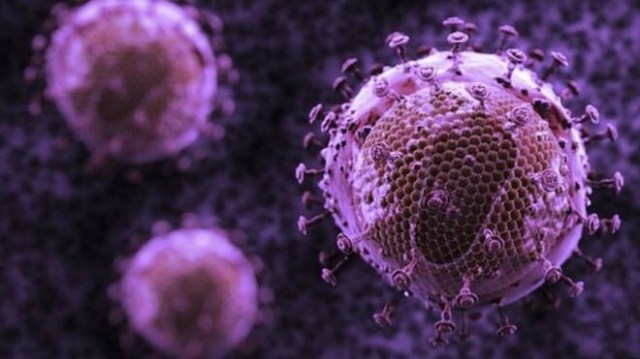
The human immunodeficiency virus (HIV) is a lentivirus (a subgroup of retrovirus) that causes HIV infection and over time acquired immunodeficiency syndrome (AIDS). HIV infects vital cells in the human immune system such as helper T cells (specifically CD4+ T cells), macrophages, and dendritic cells. HIV infection leads to low levels of CD4+ T cells through a number of mechanisms, including pyroptosis of abortively infected T cells, apoptosis of uninfected bystander cells, direct viral killing of infected cells, and killing of infected CD4+ T cells by CD8 cytotoxic lymphocytes that recognize infected cells. When CD4+ T cell numbers decline below a critical level, cell-mediated immunity is lost, and the body becomes progressively more susceptible to opportunistic infections. Many HIV-positive people are unaware that they are infected with the virus. HIV-1 testing is initially by an enzyme-linked immunosorbent assay (ELISA) to detect antibodies to HIV-1. Specimens with a nonreactive result from the initial ELISA are considered HIV-negative unless new exposure to an infected partner or partner of unknown HIV status has occurred. f the result of either duplicate test is reactive, the specimen is reported as repeatedly reactive and undergoes confirmatory testing with a more specific supplemental test (e.g., western blot or, less commonly, an immunofluorescence assay (IFA)). Only specimens that are repeatedly reactive by ELISA and positive by IFA or reactive by western blot are considered HIV-positive and indicative of HIV infection.
AIDS is not a virus but a set of symptoms (or syndrome) caused by the HIV virus. A person is said to have AIDS when their immune system is too weak to fight off infection, and they develop certain defining symptoms and illnesses. This is the last stage of HIV, when the infection is very advanced, and if left untreated will lead to death.Basic facts about AIDS include, AIDS stands for acquired immune deficiency syndrome, AIDS is also referred to as advanced HIV infection or late-stage HIV, AIDS is a set of symptoms and illnesses that develop as a result of advanced HIV infection which has destroyed the immune system, Treatment for HIV means that more people are staying well, with fewer people developing AIDS.HIV disease becomes AIDS when your immune system is seriously damaged. If you have less than 200 CD4 cells or if your CD4 percentage is less than 14%, you have AIDS. AIDS-related symptoms also includes serious weight loss, brain tumors, and other health problems. Without treatment, these opportunistic infections can kill you. AIDS is different in every infected person. A few people may die a few months after getting infected, but most live fairly normal lives for many years, even after they “officially” have AIDS. A few HIV-positive people stay healthy for many years even without taking antiretroviral medications (ART).
B lactam antibiotic:
Β-lactam antibiotics (beta-lactam antibiotics) are a class of broad-spectrum antibiotics, consisting of all antibiotic agents that contain a beta-lactam ring in their molecular structures. Thisincludes penicillin derivatives, cephalosporins (cephems), monobactams,and carbapenems. Most β-lactam antibiotics work by inhibiting cell wall biosynthesis in the bacterial organism and are the most widely used group of antibiotics. Bacteria often develop resistance to β-lactam antibiotics by synthesizing a β-lactamase, an enzyme that attacks the β-lactam ring. To overcome this resistance, β-lactam antibiotics are often given with β-lactamase inhibitors such as clavulanic acid. β-lactam antibiotics are indicated for the prevention and treatment of bacterial infections caused by susceptible organisms. At first, β-lactam antibiotics were mainly active only against Gram-positive bacteria, yet the recent development of broad-spectrum β-lactam antibiotics active against various Gram-negative organisms has increased their usefulness.
 Pharma and Biotech Advances